
The Allure of Casino Games
Casino games have long captivated players, drawing them into a world of chance, excitement, and the possibility of winning big. This allure is not only due to the thrill of gambling but also rooted in psychological principles that drive player engagement. The adrenaline rush experienced while playing can create a sense of euphoria, leading individuals to return for more, such as when they explore offshore poker sites. Understanding this emotional connection helps to explain why individuals are willing to risk their money for the chance at rewards.
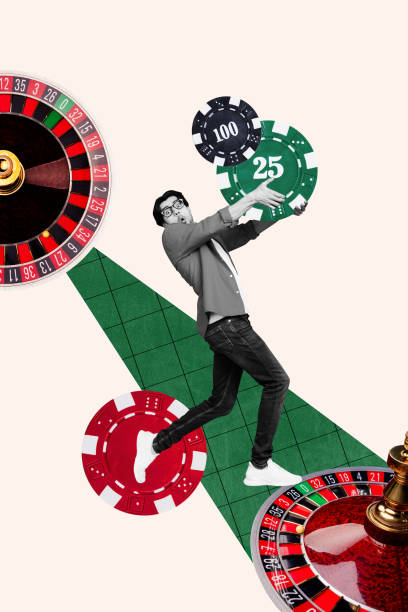
The sensory environment of casinos also plays a crucial role in attracting players. The sounds of clinking coins, flashing lights, and vibrant decor stimulate the senses, creating an immersive experience that enhances enjoyment. This environment taps into various psychological triggers, making it difficult for players to resist the temptation to engage in gameplay. As players become absorbed in this stimulating atmosphere, it can lead to a phenomenon known as “loss of self-control,” where they may continue playing despite unfavorable outcomes.
The Role of Cognitive Biases
Cognitive biases significantly influence gambling behavior, shaping how players perceive risk and reward. One common bias is the “gambler’s fallacy,” where individuals believe that past outcomes affect future results, leading them to make irrational decisions. For instance, a player might think that after a series of losses, they are “due” for a win, prompting them to gamble more. This misconception can lead to repeated losses and an escalation of betting behavior, as the player chases the elusive winning streak. Moreover, understanding cognitive biases is crucial in addressing risky behaviors in gambling engagements.
Additionally, the illusion of control is another cognitive bias prevalent among gamblers. Many players believe they can influence the outcome of games through their actions, despite the inherent randomness of most casino games. This belief can reinforce the desire to play, as players feel empowered by their perceived ability to affect results. Understanding these biases offers insights into why players often take risks that defy logical reasoning, revealing the complex interplay between psychology and gambling.
Addiction and Risk-Taking Behavior
The psychology of gambling is further complicated by the potential for addiction. Many individuals may begin gambling as a form of entertainment but can quickly find themselves developing a compulsive pattern of behavior. The excitement of winning can create a cycle of risk-taking that is hard to break, as players continually seek the high associated with big wins. This phenomenon can be exacerbated by underlying psychological issues, such as stress or anxiety, leading individuals to use gambling as a coping mechanism. Recognizing these patterns can aid in promoting healthier interactions with gambling environments.
Furthermore, the brain’s reward system plays a significant role in compulsive gambling. When a player wins, the brain releases dopamine, a neurotransmitter associated with pleasure. This creates a positive feedback loop that can keep players engaged, often leading them to ignore the detrimental effects of their behavior. Recognizing the signs of gambling addiction is essential for mitigating its impact, as it can have severe consequences on an individual’s personal and financial well-being.
Social Influences on Gambling Behavior
The social environment surrounding casino games can significantly influence player behavior. Social interactions can enhance the excitement of gambling, as players often enjoy sharing experiences with friends or engaging in competitive play. Peer pressure can also play a role, as individuals may feel compelled to participate in gambling activities to fit in or gain social acceptance. This social aspect can lead to increased participation in risky gambling behaviors, especially among younger individuals.
Moreover, the rise of online gambling platforms has transformed the social dynamics of casino gaming. Players can now engage with others from around the world, participate in tournaments, and share their experiences on social media. While this connectivity can be positive, it also carries risks, as players may feel more comfortable engaging in excessive gambling behaviors from the privacy of their homes. Understanding the social influences on gambling can help both players and industry professionals develop strategies to promote responsible gaming.
Resources and Support for Responsible Gambling
As awareness of the psychology behind casino games and player behavior grows, so does the need for resources to support responsible gambling. Many casinos and online gaming platforms are now implementing measures to promote safe gaming practices. These initiatives often include setting deposit limits, providing self-exclusion options, and offering information on responsible gambling habits. By empowering players with knowledge and tools, the industry can help mitigate the adverse effects of gambling addiction.
Additionally, various organizations provide support for individuals struggling with gambling-related issues. These resources can be invaluable for players seeking help, offering counseling services, hotlines, and community support groups. By understanding the psychology of casino games and player behavior, both players and industry stakeholders can foster a healthier approach to gambling, ensuring that it remains an enjoyable and safe form of entertainment.